The benefits of replacing the brake pads
Aug 25, 2021
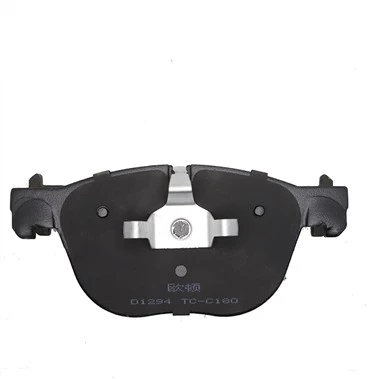
First of all, it is the brake lining of the car. It is a friction material fixed on the brake drum or brake disc that rotates with the wheel. The friction plate and the friction pad bear external pressure and produce a friction effect, so as to achieve the effect of decelerating or stopping the vehicle. Therefore, this is an important part of the car, related to personal safety.
And its main performance, the same product, shows great differences under different temperatures, different speeds and different brake pressures.
1. Braking performance: refers to the normal braking conditions, (brake temperature will be relatively low), and the braking ability of the brake pads and the friction coefficient moving distance will increase. Such a phenomenon will become a "decline", so the decline rate will be as small as possible. The decline rate of high-quality products will be very small, and some will not decline. Some counterfeit and inferior products will decline very seriously, almost under high temperature. Loss of braking ability.
3. After its temperature drops, can its performance return to its original level as soon as possible? So this is also an important factor to measure the quality of the product
4. And its wear refers to the wear and tear in the process of use. The braking effect depends on the formula and process of the friction material. For example, carbon fiber can be used for hundreds of thousands of kilometers without needing to be replaced. In addition to the brake itself, its wear should also be considered.
5. During this braking process, the better ones will form a protective film on the friction of the brake discs, which will also reduce the wear of the brake discs, while the inferior ones will generally have a lot of hard spots and impurities , Generally, there are many grooves on the surface, which will accelerate the wear of the brake pads and brake discs.
6. Other performance indicators include shear strength, hardness, compressibility, thermal expansion, water absorption, adhesion, etc.