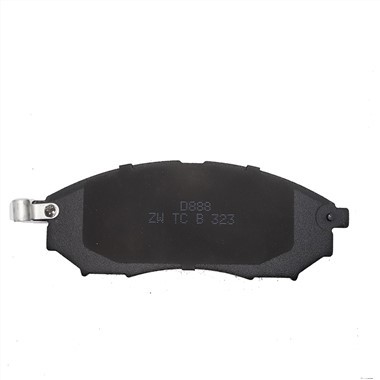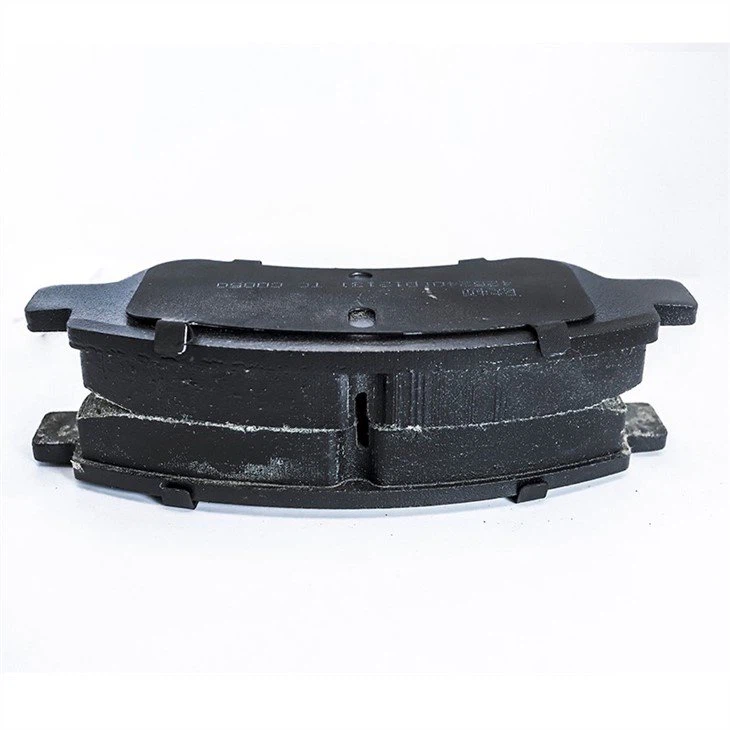
Ceramic Brake Pads
The company mainly produces automobile brake pads. It has first-class equipment and advanced production technology and can produce more than 2,200 types of brake pads, with an annual production capacity of 6 million sets.
Description
Why Choose Us?
Strong Production Capacity
The company mainly produces automobile brake pads. It has first-class equipment and advanced production technology and can produce more than 2,200 types of brake pads, with an annual production capacity of 6 million sets.
Product Quality Guaranteed
The product quality has passed the American LINK laboratory testing and appraisal, complies with the VESC-3 legal standard, and has passed the ISO 16949 quality system certification. We only produce high-quality products.
OEM & ODM Available
We can produce and process automobile brake pads according to the sketches or samples provided by customers. We can also provide customers with product parameter reports, quality inspection results and other reports.
One-Stop Service
Responsible for goods quality inspection, customs declaration tracking and other processes, ensuring timely handling of issues in all aspects, timely feedback and processing of product after-sales customer requirements.
Related Products

The insulation layer of Range Rover Brake Pads is composed of non-heat transfer materials, which can prevent the high temperatures from affecting the effectiveness of the brake fluid.

Our Jeep Brake Pads are designed to offer exceptional performance under a range of driving conditions, ensuring safety and peace of mind for our customers. With the highest quality materials and precise manufacturing, these brake pads are reliable and durable.

Our Mercedes Brake Pads are designed to meet or exceed OE specifications, making them a reliable and cost-effective alternative to buying and installing dealer-branded parts.

Our brake pads are tested to withstand intense and prolonged use. They have a longer lifespan than most other brake pads, ensuring that they will function reliably for a long time before needing to be replaced.

Our Mazda Brake Pads are competitively priced, which means that merchants can sell them at a reasonable markup, resulting in improved profit margins.

The chamfered design can make the brake pads and brake discs fit well, which can not only reduce abnormal noise but also reduce wear.

Our Audi Brake Pads offer superior stopping power compared to other brake pads in the market, as they're designed for use in high-performance vehicles.

Our BMW Brake Pads are engineered to provide exceptional performance, long-lasting durability, and uncompromising safety standards.

Our brake pads are designed to provide long-lasting performance, even in the most extreme conditions.
The ceramic brake pad is the new kid on the block, having debuted in the 1980s. The friction material consists of ceramic, much like a denser version of the stuff found in pottery, infused with fine copper wires. The copper is added to enhance friction and to increase heat conductivity.
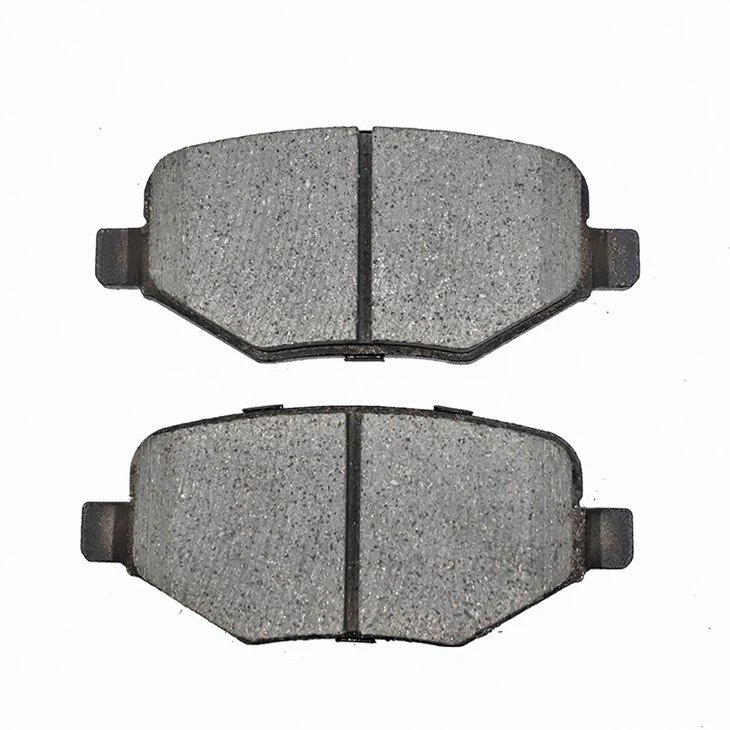
Typical Advantages of Ceramic Brake Pads
Noise-Level
Ceramic brake pads are very quiet, creating little-to-no extra sound when the brakes are applied.
Wear & Tear Residue
Compared to organic brake pads, ceramic brake pads tend to produce less dust and other particles over time as they wear down.
Temperature & Driving Conditions
Compared to organic brake pads, ceramic brake pads can be more reliable in a wider range of temperatures and driving conditions.

Properties of Zhongwei Ceramic Brake Pads
Brake Fade Resistance
Good ceramic brake pads generally can resist brake fade. Brake fade is typically caused by overheating in brake pads as a result of converting kinetic energy to heat energy when the brake is applied. Brake fade decreases the efficiency of ceramic brake pads considerably.
Corrosion and Oxidation Resistance
A good ceramic brake pad should be resistant to corrosion and oxidation. It should be able to withstand exposure to chemicals without any change in mechanical properties. Corrosion and oxidation can greatly decrease the half-life of a brake.
Low Friction Coefficient
A low friction coefficient is one property to look out for when choosing a ceramic brake pad. The friction coefficient should be low enough that the wheels do not lock. However, it should not be so low that there is insufficient stopping power. The friction coefficient of an ideal ceramic brake pad lies between 0.3 and 0.5.
Comparison Table: Choose the Right Brake Pads
| Brake Pad Types | Pros | Cons |
| Organic Brake Pads | Organic brake pads are the least expensive on the market and recommended for normal driving. They generate enough friction to effectively stop the average vehicle yet don't produce as much heat as other pads, thereby putting less stress on the rest of your car's braking system. | Organic brake pads wear out more quickly than other types, which means you'll have to replace them more often. They also don't work as well as ceramic and metallic pads in extreme temperatures. In addition, you have to apply a bit more pressure to the foot pedal than you do with other types of brake pads. |
| Ceramic Brake Pads | Ceramic is the quietest brake pad material. Moreover, ceramic brake pads perform better than organic brakes in a range of temperatures. | Ceramic brake pads are pricier than other types. Plus, they underperform in extreme cold. In addition, ceramic doesn't absorb as much heat as other materials. Consequently, more stress is distributed to the rest of the braking system. |
| Metallic Brake Pads | Metallic brake pads perform better than organic and ceramic brake pads in a wide range of temperatures. They're responsive and require minimal pressure on the pedal. The metal also withstands heat well. | Metallic brake pads are noisier than other types. Their high degree of sensitivity means your ride may be more jerky than what you'd experience with ceramic or organic brake pads. Metallic brakes are pricier than organic brake pads but more affordable than ceramic ones. |
Ceramic-based brake pads are mainly composed of reinforced ceramic fibers, mineral fillers, and binders. The production process is shown as follows:
- Raw material
- Weighing ingredients
- Mixing
- Pre-forming (mold)
- Sintering
- grinding
- Grooving (drilling)
- Spraying
- Modification
- Inspection
- Coding
- Packaging

What Causes Brake Pad Wear?
Brake pads are the parts of the braking system that touch the brake rotors, causing friction. This friction is what helps bring your car to a stop on Houston roads. Friction and heat cause the brake pads to wear down. How you apply the brakes can have an effect on your brake pads. If you slam on the brakes, you can cause even more wear to the brake pads than if you gently pressed the brake pedal. More causes of brake pad wear can include:
Type of brake pad
Poor road conditions
Extreme heat or cold
Manual vs. automatic transmission
Local driving environment
Condition of other brake components
When Should Ceramic Brake Pads be Replaced?
You should replace your brake pads when they have less than a quarter inch of friction material left, or if you notice any of the following symptoms:
Grind sounds when braking
Vibration in the steering wheel
Pulsation in the brake pedal
New squealing sounds (not regular squeaks from semi-metallic pads)
Brake pad indicator light on your dash
Ceramic brake pads are composed of ceramic fibers, non-ferrous filler materials, adhesives, and a small amount of metal. Ceramic brake pads are a kind of brake pads, including mineral fiber, aramid fiber, and ceramic fiber (because steel fiber will rust, generate noise and dust, so it cannot meet the requirements of ceramic type formula), it is lighter than other brake pads. And more expensive, ceramic brake pads are cleaner and quieter and provide excellent braking performance without wearing the mating parts.
The Top 6 Ways To Extend The Life Of Your Brake Pads
Speed Is The Enemy
When it comes to braking, full and complete stops from a high speed are absolutely the #1 cause of premature brake pad wear. Brake pads work by transforming energy into heat – and this means they become worn out more quickly the more energy they have to dissipate. If you slow down just a little bit, you can save quite a bit of wear and tear on your brake pads.
Never "Two-Foot" Your Pedals
If you tend to tap your brake pedal with your left foot while still keeping your right foot on the accelerator, this is a bad habit. It leads to more "brake taps" which don't' really do anything to stop your car, and cause premature wear.
Coast More You Can
Consider paying more attention to the flow of traffic, and stopped or slowed-down cars that are ahead of you, and coast whenever you can to lower your speed – as opposed to braking.
Don't "Hurry Up To Stop"
This advice will help you save on gas, as well as on brake wear and tear. Is there a red light or a stop sign coming up? Start coasting and slowing down! There is absolutely no reason to step on the gas and "hurry up to stop" when the cars ahead of you are clearly not moving. All you'll do is waste fuel – and when you do have to stop, you'll put excessive wear and tear on your brake pads.
Keep Your Car As Light As Possible
Most people don't keep heavy objects in their car, but if you tend to keep a lot of stuff in your car, that weight can add up - and lead to a larger kinetic load that your brake pads must halt when you stop. This doesn't just apply to objects in your car, either. Aftermarket stereo systems, body panels, wheels, and other customizations can make your car much heavier – resulting in shorter brake pad life.
Flush Your Brakes Every 2 Years
Your brakes should be bled and flushed about every 2 years, especially if you have an older car. This will help your brakes work more effectively, and make your internal components work longer. This is because brake fluid naturally attracts water. During emergency braking or repeated brake use, this moisture can "boil", reducing braking effectiveness. Moisture can also cause internal corrosion, reducing the lifespan of brake components like rubber seals.
Ceramic Brake Pad Installation Steps
Get Necessary Materials
When buying ceramic brake pads get rotors as well, as they must be bedded in together to enhance performance. Even before installing the new rotors, it is recommended to look out for excessive run-out using a dial indicator gauge.
Floor Jack
Using a floor jack and jack stands lift and support your vehicle by the chassis. Remove the wheel and find disc brake calipers. They are found between the lug bolts and brake pads in most cars. Inspect the condition of the old pads and rotors for damage, wear and tear. If they are dirty, clean them to remove rust, grease, oil or debris. Because the new ceramic brake pad is being installed, remove them even if they are in good condition.
Compress Calipers
Use a caliper compressor or a large C-clamp to squeeze the caliper's pistons back into their bores. Some fluid will leak from the bleeder screw, but it will take far less effort to compress the caliper. This will also prevent you from damaging the caliper's seals. Once you've fully compressed the caliper's pistons, tighten the bleeder screw and remove the compression tool.
Remove Brake Pads
Once calipers have been removed, locate the brake pads and detach them from position using a spanner. Clean the calipers and remove grease, oil or debris.
Install Ceramic Brake Pads
Start by adjusting the brake piston. This is the component that pushes down brake pads against rotors. Use the C-clamp to adjust the piston, making sure it is at the farthest position. Carefully attach ceramic brake pads where the old brake pads were positioned. Replace the calipers and fix the lug bolts and retaining calipers. Make sure they are fastened and secure before replacing the wheel and screwing it in position. Finally, Keep away lubricants and brake oil away from braking components. Take care that they do not come into contact with the paint job on the car, as they easily destroy it.
Option 1:
We can identify the ceramic brake pads by color, which specialists call "hardcore color". The surface of the ceramic brake pad looks like pebble, but without any sharp lights(or metallic light). As we know, metallic brake pads have metallic material in the pad, it have such metallic sharp light.
Option 2:
We can identify the ceramic brake pads by hand touching. If we touch the surface of ceramic brake pads with our fingers, they are clean, and there is not any black or other dirty dust on our hand. but if we touch the metallic brake pads, there will be dirty black metallic powder on our hands.
Option 3:
The real ceramic brake pads don't rust. Because ceramic brake pads are made of a durable ceramic compound, there is no metallic fiber in them. If you find the brake pad is rusty, it may be not real ceramic disc pads, because there are some friction materials and metallic fibers in brake pads, such as copper fiber, steel fiber, steel wool, and so on.
Option 4:
After we use the ceramic brake pad, we can find there is white powder on disc after breaking wearing, and these clean power will not damage the brake rotors. If we use the metallic brake pads, there are black friction powers on disc or wheels, so we know these are the powers are from all kinds of metal fibers and carbon fibers wearing.
Option 5:
Use a magnet to identify. If the magnet can be adsorbed on the friction material of the brake pad, it means that this is not a ceramic brake pad. There are a lot of fake ceramic brake pads on the market, they use less metal to pretend to be ceramic brake pads. You use a magnet to identify easily.
Our certificates
We have passed IATF 16949 quality system certification and R90 certification, and obtained AMECA certificate.

Common Problems of Brake Pads Backing Plates
Q: Are ceramic brake pads better?
Q: Why is ceramic better for car brakes?
Q: How long can ceramic brake pads last?
Q: How can you tell if you have ceramic brake pads?
Q: What is a disadvantage of ceramic brake pads?
Q: Which brakes are better metallic or ceramic?
Q: Do ceramic brakes stop faster?
Q: Why are ceramic brakes so expensive?
Q: Can you use ceramic pads on normal discs?
Q: Does the ATE Ceramic brake pad provide ceramic high performance?
Q: What is the difference between ceramic and normal brake pads?
Q: Are OEM brake pads ceramic or metallic?
Q: What is the best type of brake pads?
Q: How often should you change ceramic brake pads?
Q: What are the quietest brake pads?
Q: Which brake pads last the longest?
Q: Do you need special rotors for ceramic brake pads?
Q: Why do ceramic brake pads squeak?
Q: Does Toyota use ceramic brake pads?
Q: Do you need to grease ceramic brake pads?
Hot Tags: Ceramic Brake Pads, China Ceramic Brake Pads manufacturers, factory, 2013 hyundai accent brake pads, peugeot 307 brake pads, 2017 ford escape brake pads, 2004 chevy impala brake pads, volkswagen polo brake pads, honda crv front brake pads