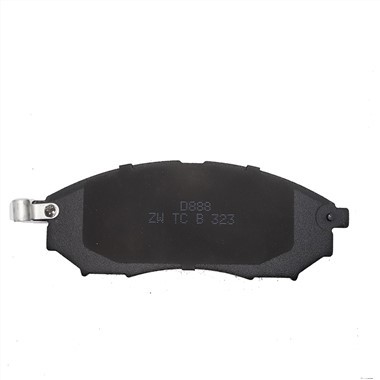
Car Brake Pads
The company mainly produces automobile brake pads. It has first-class equipment and advanced production technology and can produce more than 2,200 types of brake pads, with an annual production capacity of 6 million sets.
Description
Why Choose Us?
Strong Production Capacity
The company mainly produces automobile brake pads. It has first-class equipment and advanced production technology and can produce more than 2,200 types of brake pads, with an annual production capacity of 6 million sets.
Product Quality Guaranteed
The product quality has passed the American LINK laboratory testing and appraisal, complies with the VESC-3 legal standard, and has passed the ISO 16949 quality system certification. We only produce high-quality products.
OEM & ODM Available
We can produce and process automobile brake pads according to the sketches or samples provided by customers. We can also provide customers with product parameter reports, quality inspection results and other reports.
One-Stop Service
Responsible for goods quality inspection, customs declaration tracking and other processes, ensuring timely handling of issues in all aspects, timely feedback and processing of product after-sales customer requirements.
What is Car Brake Pad?
A brake pad refers to a piece of friction-generating material that pushes itself on to the rotor or disc of your car, thereby enabling it to slow down and stop. They are manufactured from steel with heavy friction material on one side. Therefore as you push the brake, the brake pads squeeze the brake disc, thereby slowing down the car or stopping it.
Related Products

Quiet Brake Pads have high friction coefficient and great friction resistance. They have low heat recession and good recovery performance.

They have good thermal conductivity and are cheap. The friction coefficient can be adjusted in a wide range of 0.35-0.45 (F1).

These Customized Brake Pads avoid the noise caused by friction with the brake disc. They have good stability and heat dissipation, so the friction coefficient will not be too high during braking.

These OEM Brake Pads are generally composed of steel plates, adhesive thermal insulation layers and friction blocks. The steel plates should be coated to prevent rust.

Green Brake Pads have small heat recession, and they will not deform or melt even when the temperature reaches 500 degrees when braking continuously, so they still have excellent braking performance.

These Yellow Brake Pads are more durable, have better heat dissipation and shorter braking distance than ordinary brake pads.

Our Blue Brake Pads are suitable for a wide range of vehicles, including cars, trucks, and SUVs. We offer a range of sizes and shapes to fit most popular makes and models.

Our Red Brake Pads are compatible with a vast range of vehicles. We have extensively tested them on popular makes and models of cars, trucks, and SUVs to ensure their compatibility.

These Colored Car Brake Pads have chamfer design, which can make them closely fit with the brake disc to solve the problems of poor contact and loud noise.
Semi-Metallic Car Brake Pad
Generally, most brake pads are semi-metallic with 30% to 70% metal such as copper, wood, steel, and wire material. These brake pads are popular for being budget-friendly and efficient. Furthermore, they are sturdy, heat resistant, and more effective than the other variants.
Ceramic Car Brake Pad
Ceramic brake pads are usually more expensive than semi-metallic pads and they are famous for their efficient braking and heat absorption. Moreover, in comparison with other type of brake pads, they are cleaner and generate low noise. In addition, ceramic brake pads have better longevity in comparison with semi-metallic pads.
Low-Metallic, Non-Asbestos Organic (NAO) Car Brake Pad
The low-metallic NAO option is made with a combination of 10% to 30% steel or copper. It provides better breaking alongside the transfer of heat. Although these brake pads are somewhat noisy, they prevent dust accumulation, so that it cannot lead to a frozen calliper.
Non-Asbestos Organic Car Brake Pad
Non-asbestos brake pads are manufactured from organic resources and thus are softer and comparatively less noisy. The latest versions offer rubber and fibreglass options too. Although these pads are beneficial for the brake discs, they wear out quickly. Thus, it is not so helpful for off-road driving.
Different Materials of Car Brake Pad
| Materials | Features |
| Metallic |
|
|
|
|
|
|
|
|
|
|
|
| Ceramic |
|
|
|
|
|
|
|
|
|
|
|
| Organic |
|
|
|
|
|
|

1. When you press down on the brake pedal, you activate a cylinder that sends brake fluid through hoses, down to the calipers.
2. The calipers engage your brake pads.
3. Your brake pads apply pressure to the rotor, which is directly connected to each wheel.
4. This pressure creates the friction needed to slow or stop your vehicle. When the rotor slows, so do your wheels.
5. Take your foot off the brake pedal and the whole process reverses: the brake pads release, fluid moves back up the hoses, and your wheels are on the move again.
Process of Car Brake Pads
Mixing of Friction Materials
At this station, different friction materials are measured out and mixed. The operator will measure precise amounts of the components onto a scale. Precisely measured ingredients are put into a mixture to ensure the blend is homogenous.
Preparing The Backing Plate
One of the most vital things in manufacturing brake pads is stamping the backing plate. Large steel coils are used, and 50% of the steel coil ends up as scrap, which is recycled. The steel is also oiled to prevent corrosion. An adhesive is applied on the backing plate for better bonding of friction material.
Moulding & Curing
The friction material mixture is put into "pre-moulds". These "pucks" will be pressed and moulded onto the backing plates. The backing plate is placed on a mould with friction material on top.
The brake pads will be placed in an oven to cure. The heat will activate and solidify resins, binders and other ingredients. This means consistent performance over the lifetime of the pad.
Chamfering & Slotting
Automated machines will cut chamfers and slots into the pads. Also, the pad will be ground to the correct height. Here is the before and after of the grinding process. The final product is also powder coated to make it rust and corrosion-resistant.
Testing & Packaging
A brake dynamometer can test brake systems in a controlled environment that mirrors the real world. Brake dynamometers can run 24 hours a day and measure a braking system's performance over its entire lifetime.
Why Do Brake Pads Make a Squeaking Sound?

Damaged or Thinning Brake Pads
The most common reason for brake squealing is damaged brake pads. Brake pads are purposely created with a metal piece that emits a high-pitched squeak when they wear down to the bottom.
Dust or Dirt Between the Rotors and Pads
Another common reason for brake pads making a squealing sound is brake dust, mud, or other debris on the exterior of your pads or rotors. This buildup can occur in different driving conditions or if your vehicle sits for an extended period accumulating dust.
Excessive Overnight Moisture
When moisture forms on your brakes or brake pads, a thin coating of rust can slowly build up on the brakes and rotors, generating a grinding or squeaking sound when you apply your vehicle brakes, however, this rust buildup can usually get fixed with daily driving.
Lack of Lubrication
If your vehicle has drum brakes, the squeaking sound can also show up due to a lack of lubrication at the touchpoints between the drum and shoes. Without lubrication, the drum shoes begin to scrape against the backing scale, causing a squeaking noise.
Signs You Need Repair Car Brake Pads
Brake Light Will Come On
A sure sign that you need brake repair is if the service light on your dashboard comes on. This light is usually red or yellow and may be accompanied by an exclamation point symbol in parentheses -- (!) -- and the word "brake" or "anti-lock brake".
Failed Inspection
If the state where you live requires an inspection, this may uncover that your brake pads are below the permitted thickness. Some mechanics can also perform a visual inspection to determine if your brake pads are worn and in need of repair.
A Vibrating or Shaking Steering Wheel
When you brake and feel shaking or wobbling, it's your brake pad hitting these rotor imperfections. You may also notice your car pulling to one side.
Change in Brake Pressure
Your brake pedal should offer some resistance when you press on it. If you notice less (or more) resistance when you step on the brakes, your vehicle may need immediate brake repair.
Friction Material
The friction material is the part of the brake pad that comes into contact with the rotor. It is made up of a combination of different materials, including metallic fibers, resin, and other fillers. The friction material is designed to wear out over time, as it is subjected to the intense heat generated by the braking process.
Backing Plate
The backing plate is the foundation of the brake pad. It is made of steel and provides a sturdy surface for the friction material to be attached to. The backing plate also helps to dissipate heat generated during braking, preventing the brake pad from overheating and losing its effectiveness.
Adhesive
The adhesive is the material that is used to bond the friction material to the backing plate. It is a high-temperature adhesive that is designed to withstand the extreme heat generated during the braking process. The adhesive is critical to the longevity and effectiveness of the brake pad.
Shim
The shim is a thin piece of metal that is placed between the backing plate and the friction material. Its primary purpose is to reduce noise and vibration during braking. Shims can be made of different materials, including rubber, steel, and composite materials.
Wear Sensor
The wear sensor is an optional component that is used to alert the driver when the brake pads are worn down and need to be replaced. It is typically a small piece of metal that is attached to the backing plate and makes contact with the rotor when the friction material is worn down to a certain point. This causes a high-pitched squealing noise that alerts the driver to have the brake pads replaced.
Key Advantages of Replacing Worn Brake Pads
There are several benefits to changing brake pads on a regular basis, including:
Improved Braking Performance: Worn brake pads can cause a decrease in braking performance, making it harder to stop the vehicle in an emergency situation. Replacing worn brake pads with new ones can help restore the braking performance of the vehicle to its original level.
Longer Lifespan of Brake Rotors: Worn brake pads can cause excessive wear on the brake rotors, leading to costly repairs or replacement. Replacing worn brake pads can help protect the brake rotors from excessive wear and extend their lifespan.
Safer Driving: Worn brake pads can increase stopping distances, making it more difficult to avoid accidents in emergency situations. Replacing worn brake pads can help ensure the vehicle is able to stop quickly and safely.
Better Fuel Efficiency: Brakes that are not functioning properly can cause the vehicle to use more fuel, as it requires more energy to slow down or stop the vehicle. Replacing worn brake pads can help improve fuel efficiency by reducing the amount of energy required to slow down or stop the vehicle.
Reduced Brake Noise: Worn brake pads can cause excessive brake noise, such as squeaking or squealing. Replacing worn brake pads can help reduce brake noise and improve the overall driving experience.
Cost Savings: Regular brake pad replacement can help prevent more expensive repairs down the line, such as brake rotor replacement or a complete brake system overhaul.
When shopping for brake pads, it's essential to consider various factors to ensure you make an informed decision and select the right brake pads for your vehicle. Here are some tips to help you choose the best brake pads:
Assess Your Driving Needs: Consider your driving style, habits, vehicle type, and the typical driving conditions you encounter. These factors will help you determine which brake pad material and performance level are best suited for your needs.
Research Brake Pad Materials: Understand the differences between organic, semi-metallic, and ceramic brake pad materials. Each type has its advantages and disadvantages, so knowing the characteristics of each will help you make a more informed decision.
Brands and Manufacturers: Research reputable brake pad brands and manufacturers to ensure you're purchasing a high-quality product. Read reviews and seek recommendations from friends, family, or online forums to find reliable and trusted brands.
Price vs. Quality: While it might be tempting to opt for the cheapest brake pads available, it's essential to find a balance between price and quality. Investing in higher-quality brake pads will likely result in better braking performance, increased safety, and longer-lasting components.
Seek Professional Advice: Consult a professional mechanic or brake specialist for advice on the best brake pads for your vehicle. They can provide valuable insight based on their experience and expertise.
Compatibility With Your Vehicle: Make sure the brake pads you select are compatible with your vehicle's make and model. Always check the manufacturer's specifications and guidelines to ensure proper fit and functionality.
Consider Rotor Compatibility: The right combination of brake pads and rotors is crucial for optimal braking performance. If you plan on upgrading or changing your rotors, ensure that the brake pads you choose are compatible with the rotor design.
Warranty and Guarantees: Look for brake pads that come with a warranty or guarantee, as this can provide peace of mind and protection against manufacturing defects or premature wear.
How to Make Car Brake Pads Last Longer?
The most effective way to make your brake pads last longer is to adopt the following driving habits:
● Follow speed limits, maintaining safe following distances.
● Watch traffic carefully so that you can anticipate stops.
● Use engine braking.
● Regularly service your vehicle so that worn car parts don't damage other car parts.
● Remove any unnecessary weight from your car.
● Keep your speed low in heavy traffic.
● Spray your brake rotors when you wash your car to get rid of dust (which adds friction to your brake pads).
● Use good-quality brake pads that are designed to last - search your number plate in our car lookup tool to find a variety of options.
Brake pads usually last anywhere between three and seven years or 30,000 to 70,000 miles. However, front brake pads typically wear quicker than rear brake pads because the front part of your car takes more weight transfer when you brake.
Our certificates
We have passed IATF 16949 quality system certification and R90 certification, and obtained AMECA certificate.

Common Problems of Brake Pads Backing Plates
Q: Is it OK to drive without brake pads?
Q: Can I just replace front brake pads?
Q: What Do Brake Pads Do?
Q: When is it time to replace my braked pads?
Q: Why do same brake pads cost more?
Q: Can I buy a lifetime lasting brake pad?
Q: Do I need new brake rotors if the brake pads are replaced?
Q: Do you need to check and replace brake pads regularly?
Q: Are all vehicle brake pads the same?
Q: What kind of brake pads are there?
Q: Which brakes wear out first?
Q: Do electric cars use brake pads?
Q: How long do brake pads last on electric cars?
Q: What type of brake pads are the quietest?
Q: How can I make my brakes quieter?
Put a Set of Shims. For additional help against loud brakes, try using brake pad shims. Replace the Rotors and Pads.
Q: What are the best brake pads to prevent squeaking?
Q: Do cheap brake pads make noise?
Q: Are disc brakes and brake pads the same?
Q: How often should disc brake pads be replaced?
Q: Can you just change brake pads and not discs?
Hot Tags: Car Brake Pads, China Car Brake Pads manufacturers, factory, nissan genuine brake pads e46 price, 2019 ram 3500 brake pads, 2010 honda civic brake pads, brake pads 2017 nissan altima, 2016 chrysler 200 brake pads, 2016 honda accord rear brake pads