How The Brake Pads Ensure The Safety Of Driving
Apr 11, 2021
Driving safety has gradually changed the way we drive, and the importance of driving safety no longer needs us to talk about it. In fact, the safe driving of vehicles is inseparable from a product, that is, the brake pads we use, which are not very eye-catching but very important components. Next, we will specifically talk about the safety features that ceramic brake pads need to have.
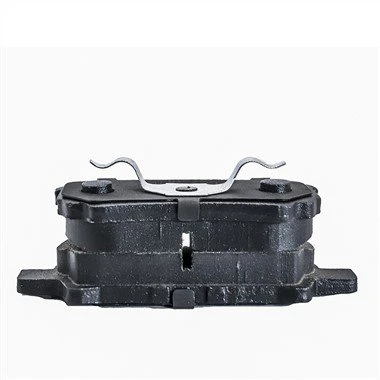
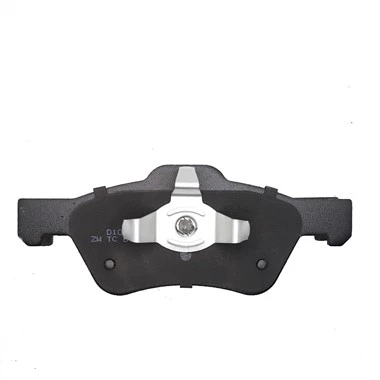
In the braking system of a car, the brake pads may be a key component, and all the braking effects are reflected in the brake pads. Generally, hydraulic plugs are generally used for hydraulic transmission to push the brake pads and brake discs or drums to contact and friction, so as to achieve the effect of deceleration and braking. Brake pads are generally composed of a floor, an adhesive insulation layer and a friction layer. The insulation layer is composed of poor heat transfer materials and reinforcing materials. The friction layer is composed of reinforcing materials, adhesives and fillers (friction performance modifiers). Owners often report that the brake pads are not wear-resistant, which is actually the main cause of early wear and tear.
The editor has sorted out a few reasons, you can take a look together:
1. The material and structure of low-quality brake discs or drums can easily lead to early wear of the brake pads.
2. The brake caliper of the brake system is damaged after long-term use, which causes the brake pads to not return, causing the plate and the disc (drum) to wear out for a long time, and the wear is extremely serious. Under normal circumstances, there will be no stale smell when using brake pads. If it is caused by frequent and prolonged use of the brakes during driving, the brake pads have worn too much. And if the brakes are not used frequently for a long time, it may be caused by poor brake return or improper installation of brake pads.
3. The materials used for the brake pads do not meet the requirements, and the design density of the friction layer of the brake pads is unreasonable (small), which is also one of the reasons for the serious wear of the brake pads.
4. The brake pads of the original car have a small design area. Long-term overspeeding, frequent braking, overloading, and long-term high temperature use are also the main reasons for the serious wear of the brake pads.
In fact, there is no fixed cycle for the replacement of brake pads. The number and intensity of driving and braking on different roads will affect the wear rate of the brake pads to a certain extent. Generally, brake pads of 50,000 kilometers will reach the wear limit and need to be replaced. Usually the thickness of a new brake pad is generally around 1.5cm, but after constant friction, it will gradually become thinner. Professional technicians suggest that if you observe the brake pads with the naked eye, and the thickness is only 1/3, you should start to consider replacing the brake pads. Of course, some models cannot see the thickness of the brake pads with the naked eye, so they have to go to the repair shop to ask the master to observe. Some vehicles also provide a self-check function, and the wear of the brake pads will be displayed on the dial. If there is a hissing noise when you brake lightly, you can replace the brake pads at this time.